|

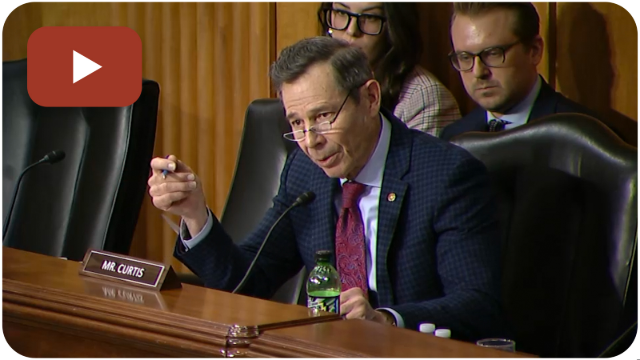
Following a U.S. Senate Foreign Relations Committee confirmation hearing to consider the nomination of Jeremy Carl to be Assistant Secretary of State for International Organizations, Senator Curtis announced that he will oppose Mr. Carl’s nomination and released the following statement:
“After reviewing his record and participating in today’s hearing, I do not believe that Jeremy Carl is the right person to represent our nation’s best interests in international forums, and I find his anti-Israel views and insensitive remarks about the Jewish people unbecoming of the position for which he has been nominated.”
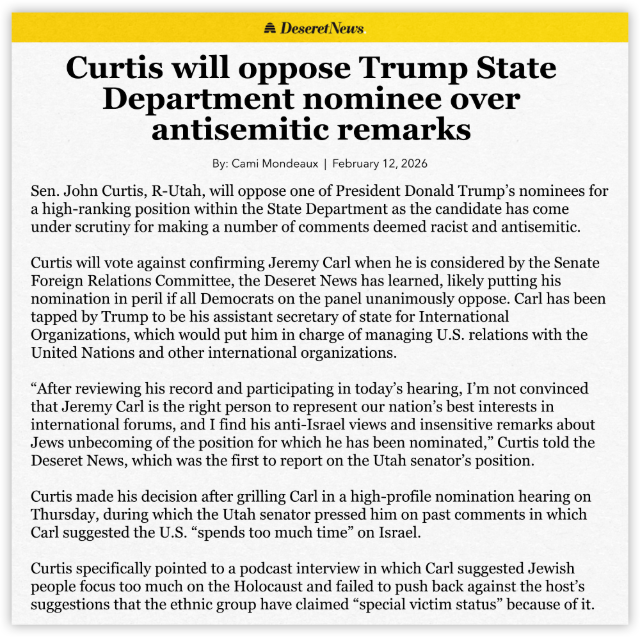
Read the full story by Cami Mondeaux here.

American innovators are shaping the future of flight, and Congress must ensure our regulatory framework keeps pace with that innovation. Senators Curtis, Welch (D-VT), Budd (R-NC), Luján (D-NM), Moran (R-KS), Padilla (D-CA), Lummis (R-WY), Sheehy (R-MT), and Young (R-IN) introduced the Aviation Innovation and Global Competitiveness Act, bipartisan legislation to streamline the Federal Aviation Administration’s type certification process for Advanced Air Mobility aircraft.
The senators’ legislation aims to help American AAM companies succeed and cement the United States’ role as a global leader in aviation. The bill would bolster FAA bandwidth to prevent certification process gridlock by providing more clarity and transparency for industry applicants. Companion legislation has been introduced in the U.S. House of Representatives.
Outdated, paper-based permitting systems slow down projects, frustrate communities, and make it harder for agencies to do their jobs. Senators Curtis, Booker (D-NJ), McCormick (R-PA), Kelly (D-AZ), Daines (R-MT), Hickenlooper (D-CO), Budd (R-NC), and Padilla (D-CA) introduced the ePermit Act, bipartisan legislation to modernize and streamline federal environmental reviews and permitting by leveraging interactive, digital, and cloud-based technologies. This action follows the passage of companion legislation in the U.S. House of Representatives.
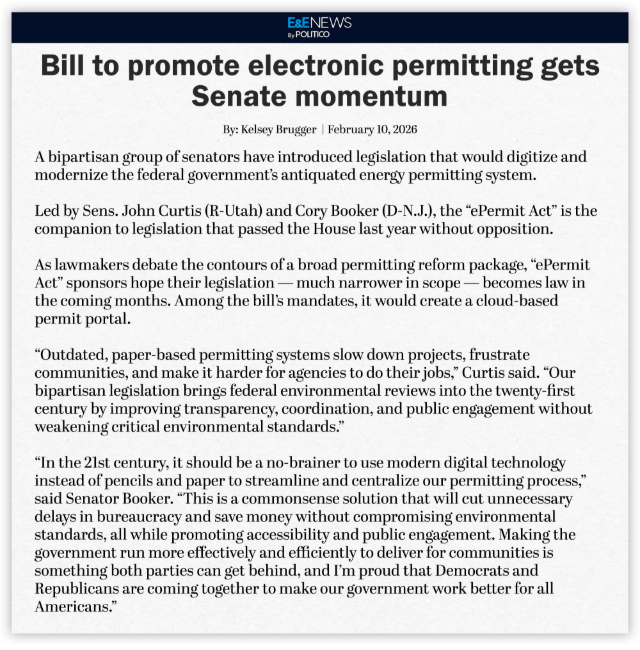
Read the full story by Kelsey Brugger here.
Small businesses are the backbone of Utah’s economy, but too many struggle to find workers with the right skills to meet modern demands. Senators Curtis and Rosen (D-NV) introduced a bill to help them train and hire more qualified workers. The bipartisan Small Business Workforce Pipeline Act will provide information and assistance to small businesses through Small Business Development Centers regarding how they can establish registered apprenticeship programs and work-based learning opportunities to train up and staff their businesses.
Congress must help encourage AI innovation, but not without transparency and accountability. Senators Curtis and Schiff (D-CA) introduced the Copyright Labeling and Ethical AI Reporting (CLEAR) Act, bipartisan legislation that would protect the intellectual property rights of creators and encourage transparency in the development of artificial intelligence. The bill would require companies to disclose their use of copyrighted work to train generative AI models, implementing ethical guidelines and protections to promote transparency.
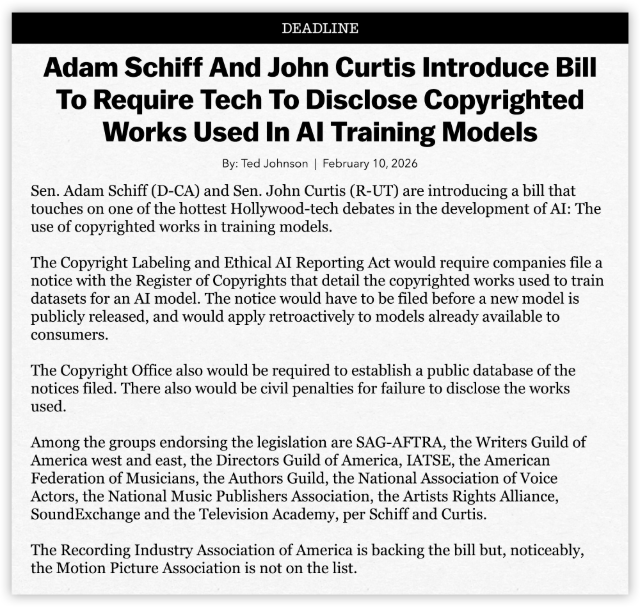
Read the full story by Ted Johnson here.
Senators Curtis; Shaheen (D-NH), Ranking Member of the Senate Foreign Relations Committee; Durbin (D-IL); Cruz (R-TX); Kaine (D-VA); and Scott (R-FL) released a statement regarding recent developments in Venezuela:
“We call for the immediate and unconditional release of Venezuelan opposition leader Juan Pablo Guanipa and all other remaining political prisoners, the ability for María Corina Machado to safely return and freely participate in political activity and a firm commitment to genuine elections.”
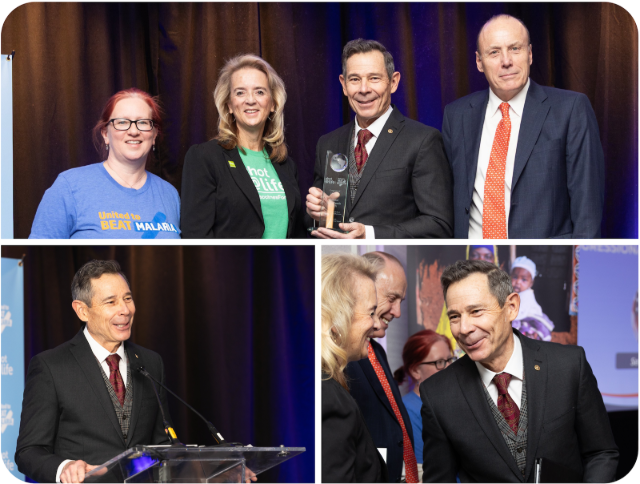
Senator Curtis received the 2026 Congressional Champion Award from Shot@Life and United to Beat Malaria at their National Advocacy Summit. The organizations recognized his leadership and strong commitment to global health.

|