A Bill That's Harmful to Maine
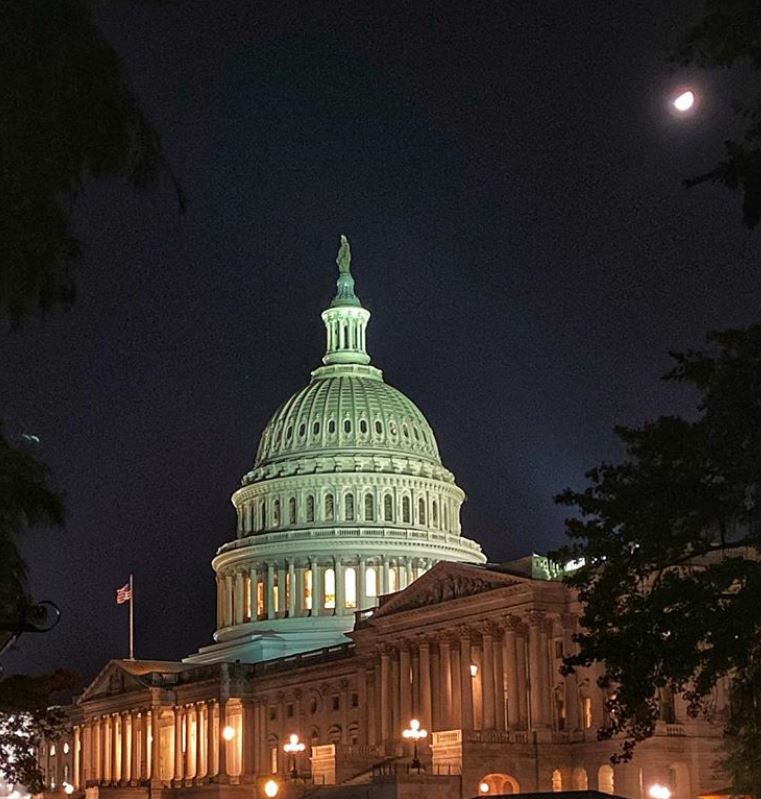
Yesterday, the Senate voted on a horrible bill that I worry will have terrible impacts on Maine people. In fact, I think this is the worst, most regressive and harmful piece of legislation I've ever seen.
Here's the way I can best explain the consequences of this bill:
1. It will have devastating impacts upon Maine itself, on our state and on our state budgets.
2. It's going to have awful impacts on the vast majority of Maine people.
3. It's a gross transfer of wealth from lower-income middle-class Americans to the very wealthy.
4. Even with these devastating cuts, the bill still explodes the federal deficit which will result in higher interest rates and a drag on business expansion in Maine and across the country.
Let me tell you what I worry this will do to Maine, and why I call this bill the Great Maine Robbery. First, it’s going to shift millions of dollars to state budgets — which means Maine taxpayers will be left footing the bill for essential services like healthcare and food assistance. It will also likely result in the closure of rural community health centers and hospitals — although the health fund in this bill will provide some limited relief to Maine hospitals, it won’t do anything for the thousands who will lose their health care under the terms of this bill. This will leave Maine people traveling further and spending more money out of pocket than they would otherwise. Many Maine people will also likely lose their MaineCare and CoverME marketplace coverage entirely, and significant Medicare cuts from this bill will harm Maine’s older adults.
Essentially, this bill is a ‘shift and shaft’ to provide huge tax cuts for those making more than $400,000 per year in exchange for the elimination of critical programs that Maine people rely on for food, health and safety. This is not politics — this is the wellbeing of Maine people, and even though this bill is huge setback, I remain committed to fighting for them every single day.
On Sunday night before we started voting on the bill, I shared my concerns with my Senate colleagues in a speech on the floor — you can watch it here.
___________________________________________________________
Monitoring the Events in the Middle East

Traveling in the Middle East region last month on a bipartisan fact-finding trip
The President took a profoundly important — and potentially dangerous — step when he ordered the bombing of Iran’s nuclear facilities and thus risking U.S. involvement in another debilitating war in the Middle East. Over the next several weeks we will be in a better position to determine the results of this attack, both in terms of Iran’s response and the actual impact of the strikes on Iran’s nuclear capacity.
Beyond the risks entailed by the president’s decision, however, are questions surrounding the manner in which the decision was made — entirely unilaterally without consultation with our allies (except Israel), or Congress. Our Constitution explicitly places the responsibility to “declare war” on Congress for a very good reason, to avoid the danger inherent in placing that awesome power in the hands of one person.
Clearly, the president must have the power to act in national self-defense or when faced with an imminent threat to our national interest, but respect for the Constitution and the common-sense policy it embodies should require some level of consultation with Congress if at all possible.
In this case, there was a process available on virtually a moment’s notice, albeit short of full Congressional action on a declaration of war or authorization of the use of military force. This process, well established in urgent circumstances, is to notify congressional leadership and the leadership of the national security committees.
In this way, the president would have the opportunity to present to the peoples’ representatives the intelligence basis for the decision, the pros and cons of the proposed action, and the means to be employed. Although not a veto, this process would ensure that the appropriate questions would be raised and the president would hear points of view not necessarily aligned with his own close advisors.
The results of these strikes may turn out to be successful — the end of Iran’s nuclear program and its aggression in the region — but the risks are no less real — that Iran may have nuclear facilities we don’t know about and conclude that they have no choice but to race to a bomb. But with either result, the question remains whether this decision was made in such a way as to protect our country while at the same time minimizing the risk of a war no one wants.
As a member of the Senate Armed Services Committee (SASC) and Select Senate Intelligence Committee (SSCI), I will continue to closely monitor the situation in the Middle East.
___________________________________________________________
Advocating for Maine's Foresters
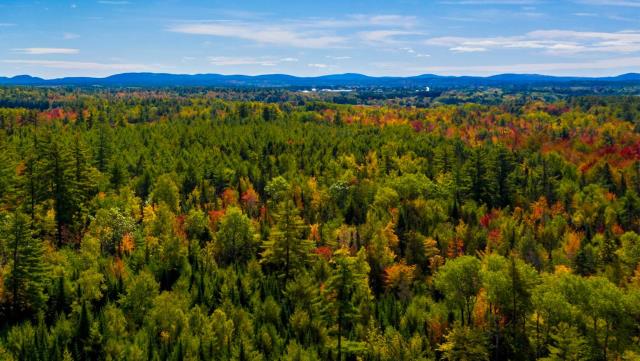
Maine’s rich tradition of logging and forestry spans back to the founding of our state, with countless men and women over the generations contributing to the continued success of the industry. Across Maine, their work is critical in helping to plant the seeds for our future and showcases the hardworking spirit of Maine people. That’s why, down in Washington, it is a privilege to work every single day on behalf of our hardworking loggers and foresters.
So earlier this year, Congressman Jared Golden and I introduced the Future Logging Careers Act, which would develop the next generation of Maine’s forest products workforce. By allowing young Mainers to safely train in their family’s logging business, we are paving the path for the future success of Maine’s forest products industry.
In fact, for centuries, logging has been synonymous with the success of Maine — creating good jobs, supporting hard-working families and boosting local rural economies. As we prepare for the next generation of Maine loggers, we should proactively provide opportunities for young people to explore this exciting field in a safe and supervised way. The bipartisan Future Logging Careers Act would give promising young loggers the option to jumpstart their career, get valuable hands-on experience, and begin critical training by logging with their parents or grandparents. I’m proud to join my colleagues in working to expand good job opportunities and further build upon our state’s rich forest heritage.
Similarly, my colleagues and I decided to introduce the Jobs in the Woods Act; this legislation would support developmental programs designed to better equip and train young people looking to become involved with the forest products industry. More specifically, this bill would create development programs to train Maine people for careers with the U.S. Forest Service and timber industries. Nationally, the forest products industry employs roughly 925,000 people directly and supports nearly 2 million jobs indirectly. In Maine, the industry supports nearly 14,000 jobs across the state. Now, that’s a lot of good paying jobs.
As the logging industry continues to evolve, we must ensure our forestry workforce has the proper training and skills to help responsibly manage our forests while strengthening our local economies. The bipartisan Jobs in the Woods Act is commonsense legislation that will invest in new and innovative workforce programs — helping Maine people get quality, good-paying jobs and securing the future of our state’s iconic timber industry.
It’s because of all of you in Maine, working hard every day, that we can bring these new workforce programs to the “Pine Tree State” so we can live up to our name while preserving and protecting Maine’s greatest natural resource.
|